Holiday feature · Community
Lesbian life in the public calendar
International Lesbian Day places lesbian lives and communities plainly on October 8. Its public meaning can be seen in ordinary freedoms: naming a partner, finding community, preserving history, and moving through public space without concealment.

Observed
October 8
The date recognizes lesbian lives, communities, and public visibility internationally.
Everyday expression
Names, partners, families
Public recognition includes the ability to describe one’s relationships and community in ordinary language.
Where history survives
Letters, art, organizations, testimony
Personal records and community collections preserve lives that official archives have not always recorded clearly.
Practical measure
Safety in ordinary life
Visibility has substance when people can work, gather, travel, and form families without hiding who they are.
What public recognition looks like
Public recognition appears in concrete moments: introducing a partner without disguise, finding books and films that name familiar lives, seeing older lesbians included in community memory, or entering a gathering without first calculating the risk of being known.
International Lesbian Day gives those experiences a shared date. It does not require one type of celebration; October 8 may be marked through conversation, community events, art, archives, or simple acknowledgment.
Keeping a record
Lesbian history is often assembled from material close to daily life: private correspondence, photographs, literature, organizational records, oral testimony, and the memories of friends and chosen families.
Keeping those records changes more than a list of notable names. It restores lesbian people to accounts of work, art, organizing, neighborhoods, and domestic life where they were already present.
Visibility across generations
No single image can represent lesbian experience across countries, races, classes, ages, and beliefs. The day is strongest when it leaves room for that breadth rather than exchanging invisibility for a narrow public type.
Recognition also has a future tense. A younger person sees possibility; an older person sees endurance; a community sees the distance traveled and the safety still to be secured.
More from October 8
Full edition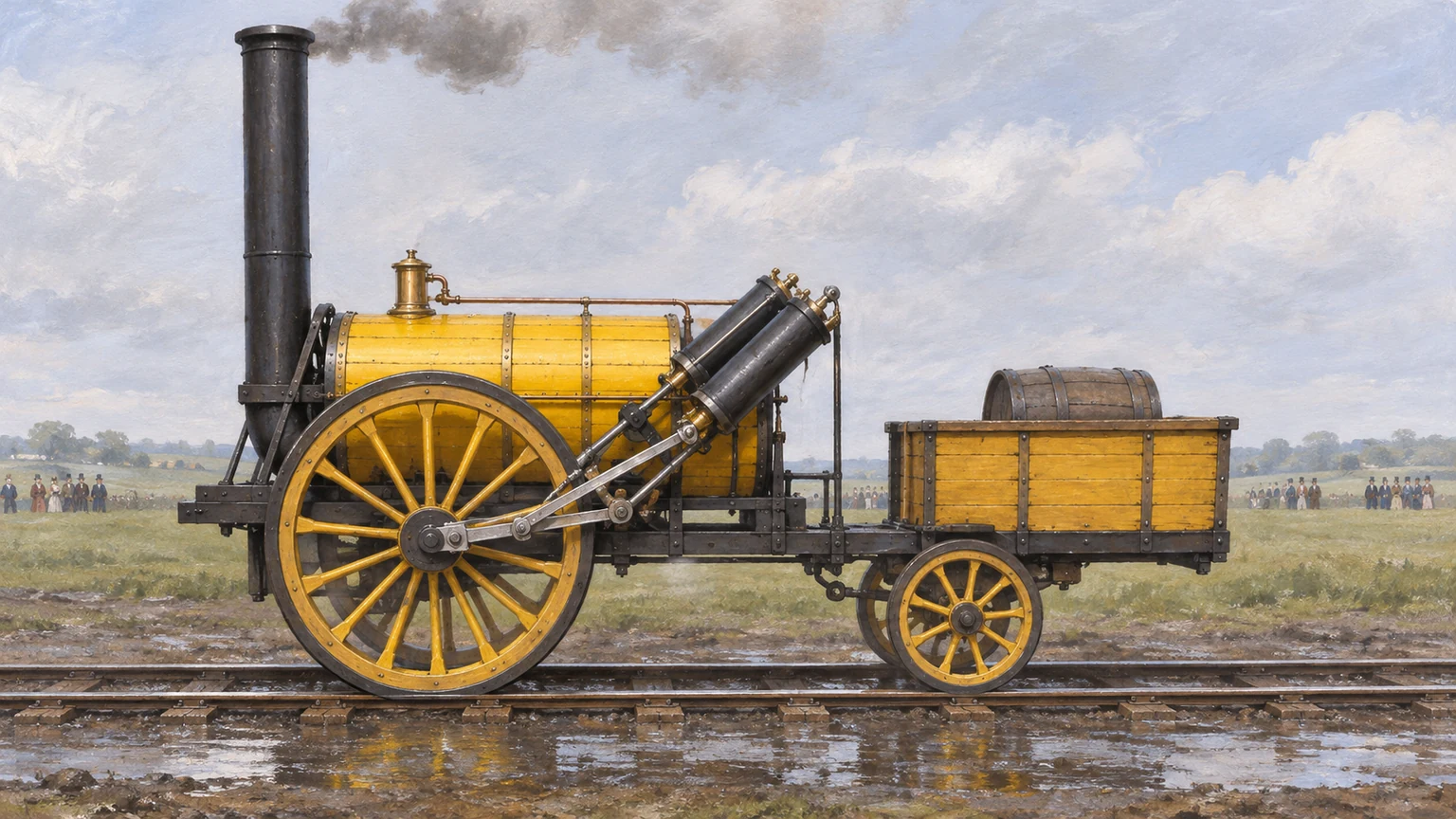
On this day
The locomotive that won the argument
In 1829, Stephenson’s Rocket won the Rainhill Trials and helped prove what steam railways could become.
Full edition
The whole Thursday almanac
International observances, major disasters, literature, birthdays, supper, and games share the date.
Calendar
Read across October
Elsewhere in October: public identity, civic memory, invention, and tables set for autumn.