Holiday feature · Nature
October in a country of public forests
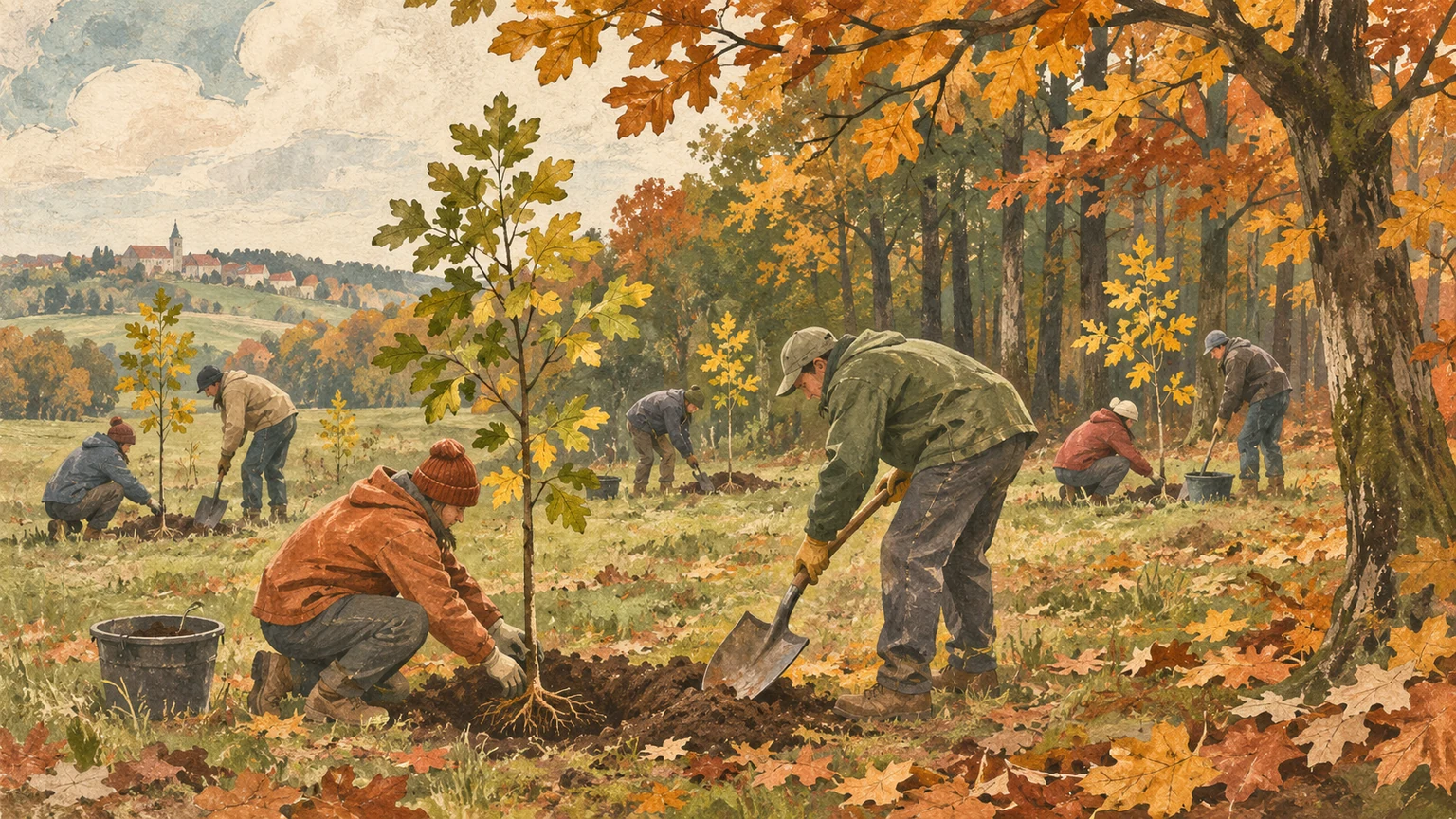
Poland’s Arbor Day falls on October 10, when nearly a third of the country is forested and autumn fieldwork is already reading the next year in the forest floor. The date belongs as much to a shared landscape as to any single tree.
Observed
October 10
The date meets Polish forests in an active season of survey, assessment, and preparation for the year ahead.
Forest extent
Nearly 9.3 million hectares
Forests cover close to one-third of Poland, making wooded land a major part of the national landscape.
Public landscape
Most forests are publicly owned
More than 7.1 million hectares are managed by Poland’s State Forests, with broad public access as a defining feature.
Autumn fieldwork
Reading the forest litter
Foresters check overwintering insect larvae and pupae in soil and litter to assess threats to stands in the following year.
One date, a forest-scale view
Arbor Day can narrow attention to a sapling and a spade. Poland asks for a wider frame: forests cover nearly 9.3 million hectares, and the great majority are publicly owned. Woodland here is not a decorative margin but a large, shared part of the country.
That public character changes the scale of stewardship. Forests are working landscapes, wildlife habitat, climate buffers, and places entered freely for recreation; decisions about their composition and resilience reach far beyond a single commemorative date.
The inheritance of pine
Pine is the prevailing tree of Poland’s lowlands and uplands, a pattern shaped by poor soils and earlier forestry that favored conifer monocultures. Those stands supplied timber efficiently but proved vulnerable to weather, drought, disease, and outbreaks of pests.
Polish forestry has increasingly moved toward matching species to local conditions and raising the share of deciduous trees. Oaks, beeches, birches, hornbeams, maples, and other species make the forest story one of changing mixtures rather than simple expansion.
Autumn reads the year ahead
In autumn, Polish foresters search forest litter and soil for insect pupae and larvae that will overwinter there. Their abundance helps estimate the risk of damaging outbreaks in the following year, turning a handful of litter into evidence for decisions across an entire stand.
The work reflects a broad definition of tree care: monitor drought and storm damage, protect young growth from browsing animals, watch for fungi and fire, and adapt species composition to the site. October 10 gathers that patient, landscape-wide vigilance into one calendar date.
More from October 10
Full edition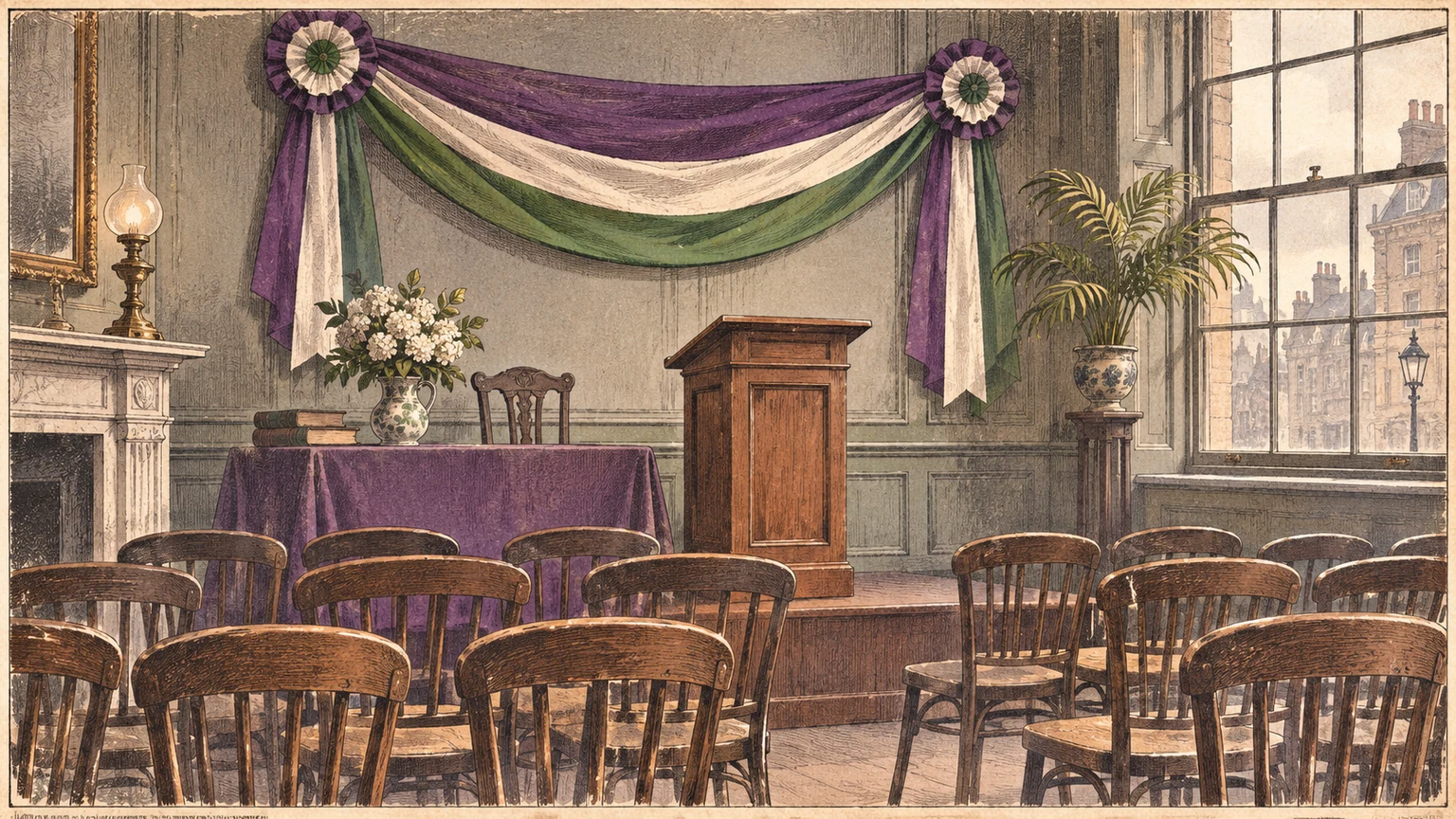
On this day
When “deeds, not words” became an organization
In 1903, the Women’s Social and Political Union formed to press the British state for women’s voting rights.
Full edition
The Saturday edition
National observances, storms, political history, birthdays, supper, and games complete the weekend record.
Calendar
The rest of October
October continues with civic struggles, seasonal work, and dates drawn from many national calendars.