Holiday feature · Language
A language built to make room at the table
Esperanto Day honors an invented language with an unusually human ambition: let strangers meet without asking either one to surrender the home ground of a mother tongue.

Observed
July 26
The language observance shares the date with national, independence, emancipation, and military calendars.
Public shape
A shared second language
Esperanto approaches international conversation through a language meant to belong equally to its learners.
What to notice
The invitation
Its central gesture is not uniformity, but a meeting place between existing languages.
Calendar company
Barbados, Cuba, Liberia, Maldives, India
July 26 also carries emancipation, rebellion, independence, and victory observances.
A meeting place made of words
Most languages arrive through inheritance: family, neighborhood, school, migration, power. Esperanto begins from a different proposition. It is learned as common ground, a language no participant has to claim as ancestral territory.
That does not erase the languages people bring with them. The appeal lies in adding a room between them, one entered by study, curiosity, and the willingness to sound new together.
The modest machinery of understanding
A shared vocabulary cannot settle every disagreement, but it can change the posture of an encounter. Both speakers become learners. Fluency is not confused with ownership, and conversation starts with a small act of mutual adjustment.
Esperanto Day marks that adjustment as cultural work. Grammar and vocabulary are only the tools; the larger project is hospitality across distance.
Many flags, one date
July 26 is crowded with national memory: emancipation in Barbados, rebellion in Cuba, independence in Liberia and the Maldives, and victory remembrance in India. Those observances speak from particular histories.
Esperanto offers a companion thought rather than a rival one. Distinct histories can remain distinct while people still build a language for meeting across them.
More from July 26
Full edition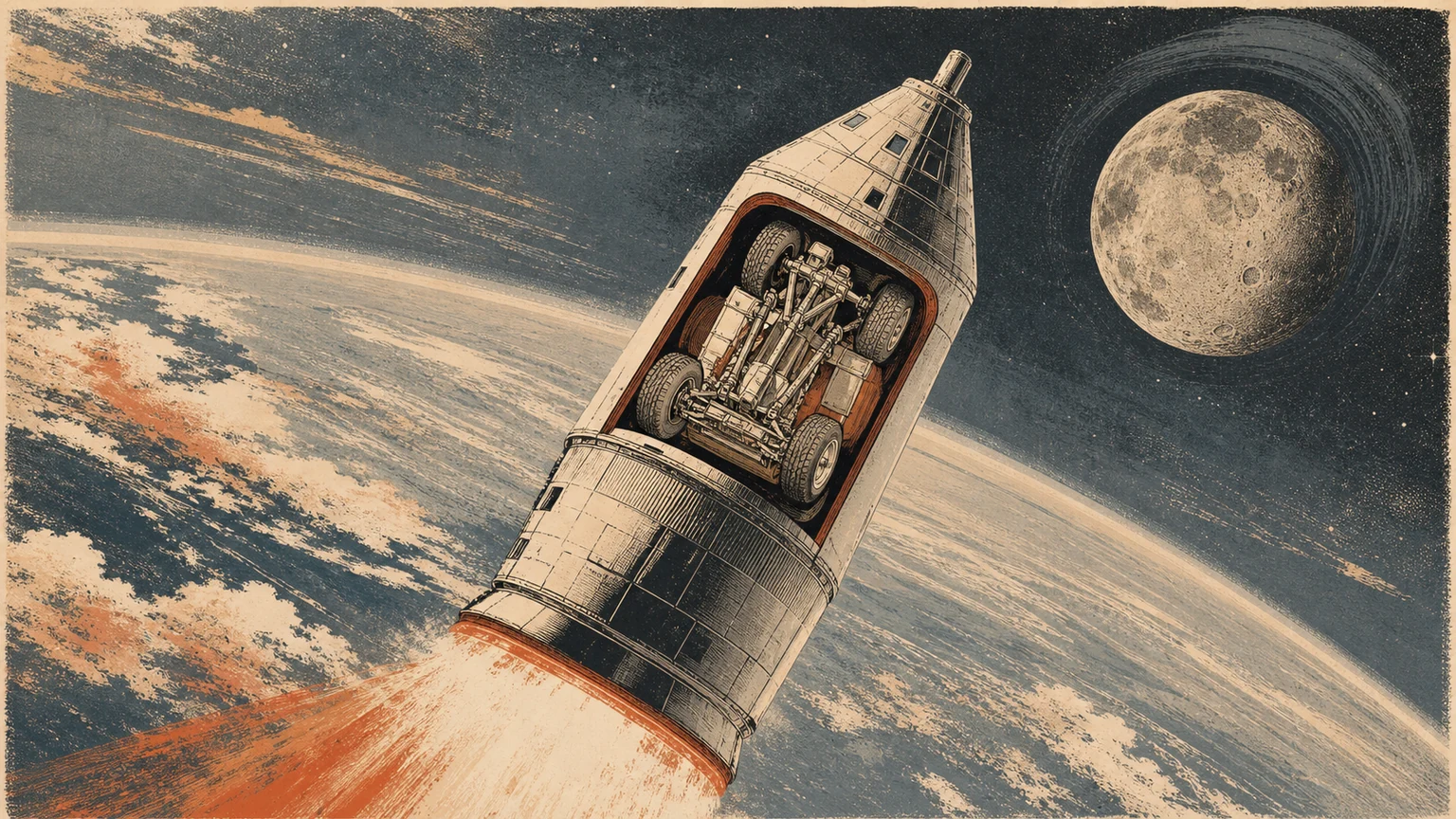
On this day
The Moon gets a set of wheels
Apollo 15 leads the July 26 archive, carrying the first Lunar Roving Vehicle toward the Moon.
Full edition
Everything else on July 26
Return for the day’s independence observances, three generations of spaceflight, birthdays, and supper.
Calendar
Browse July
Move through late July from shared language and lunar travel toward the week’s civic and natural observances.