On this day · archive
The order to hide reaches its end
On September 20, 2011, “don't ask, don't tell” ceased to govern the United States military. Gay men and women could serve openly at last, though the records and losses left by the policy would take longer to address.
8
events in todayish file
2011
The U.S. military ends “don't ask, don't tell,” allowing gay men and women to serve openly.
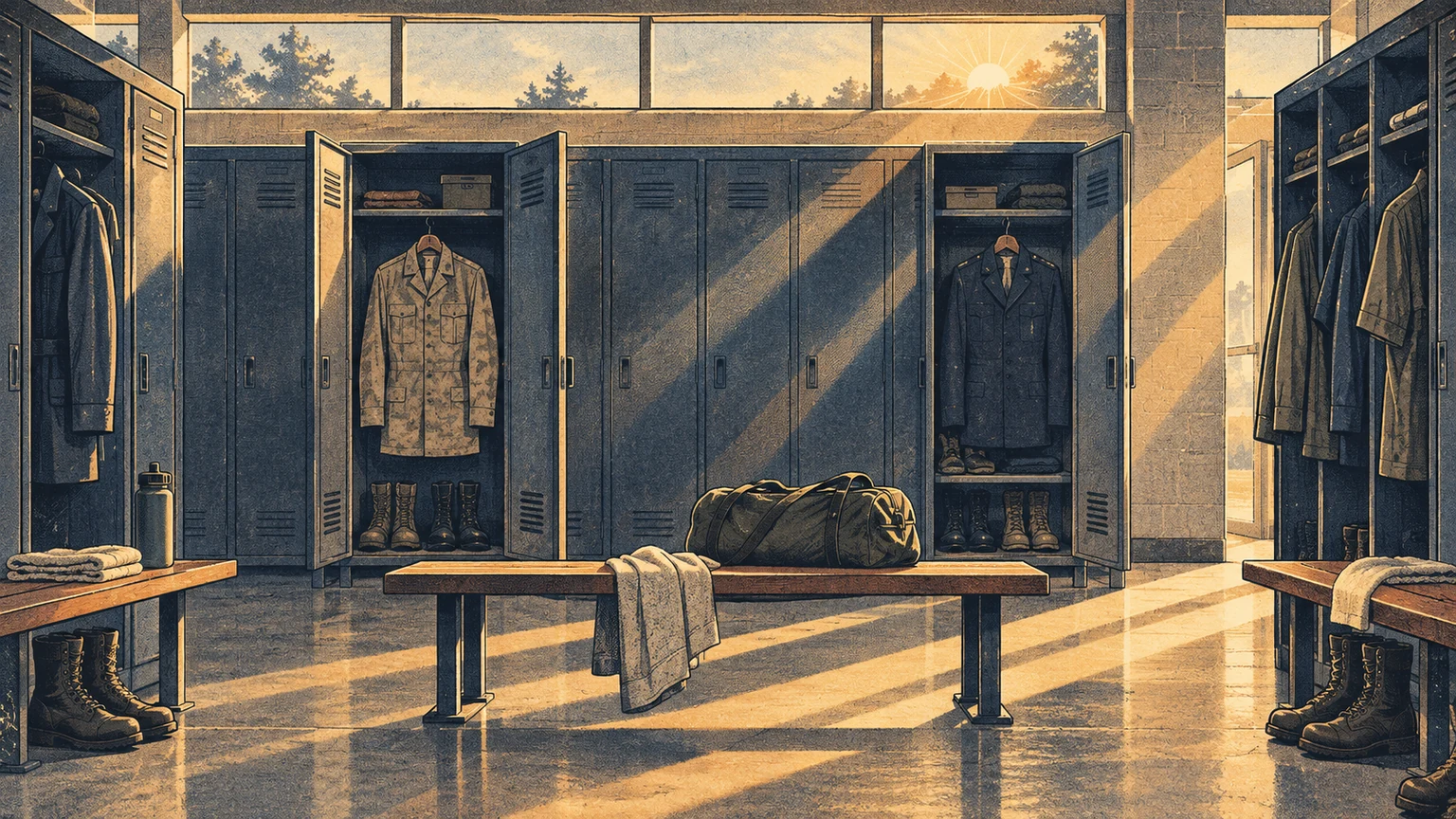
A rule built around concealment left the books, changing what service members could say about themselves without putting their careers at risk.
The legal repeal had been signed months earlier, but September 20, 2011, was the day “don't ask, don't tell” stopped operating as military policy. After a required certification and waiting period, gay men and women could serve openly in the United States armed forces.
For years, the policy had made concealment a condition of service. Careers could turn on what a person disclosed, what someone else reported, or what an investigation claimed to reveal. Its end removed that formal bargain between duty and silence.
Repeal did not restore the years, careers, benefits, or dignity already lost. Later efforts to correct discharge records made the unfinished work visible: ending a policy can happen on a date, while repairing its consequences takes much longer.
The full record
8 entries from the day’s archive, filed year by year with a note on what each one leaves behind.
Roughly four million people, many of them students, demonstrate worldwide for action on climate change; Greta Thunberg leads the New York City demonstration.
The global mobilization gave youth-led climate activism one of its largest days in the streets.
Civic
At least 161 people die when a ferry capsizes near the pier on Ukara Island in Lake Victoria, Tanzania.
The disaster turned a short lake crossing into a national scene of mourning and rescue.
Disaster
Hurricane Maria makes landfall in Puerto Rico as a Category 4 storm, causing 2,975 deaths, $90 billion in damage, and a major humanitarian crisis.
The storm's toll extended far beyond landfall through prolonged failures of power, water, health care, and communications.
Disaster
The United States military ends its “don't ask, don't tell” policy, allowing gay men and women to serve openly for the first time.
The repeal ended a formal demand for concealment while leaving past discharges and their consequences to be repaired.
Civil rights
A truck bomb detonates in front of the Marriott hotel in Islamabad, Pakistan, killing 54 people and injuring 266.
The attack brought mass casualties to a prominent hotel in Pakistan's capital.
Violence
The Cunard liner Queen Elizabeth 2 is launched in Clydebank, Scotland.
The launch placed a new passenger liner into Clydebank's long shipbuilding story.
Maritime
The Moomin comics, created by Tove Jansson and Lars Jansson, begin international publication in London's Evening News.
Newspaper syndication carried the Moomins from a Nordic creation toward an international readership.
Culture
The Bersaglieri enter Rome through the Porta Pia, completing the unification of Italy.
The breach at Porta Pia brought Rome into the political project of a unified Italian state.
Nationhood