Holiday feature · Civic
Harmony as daily maintenance
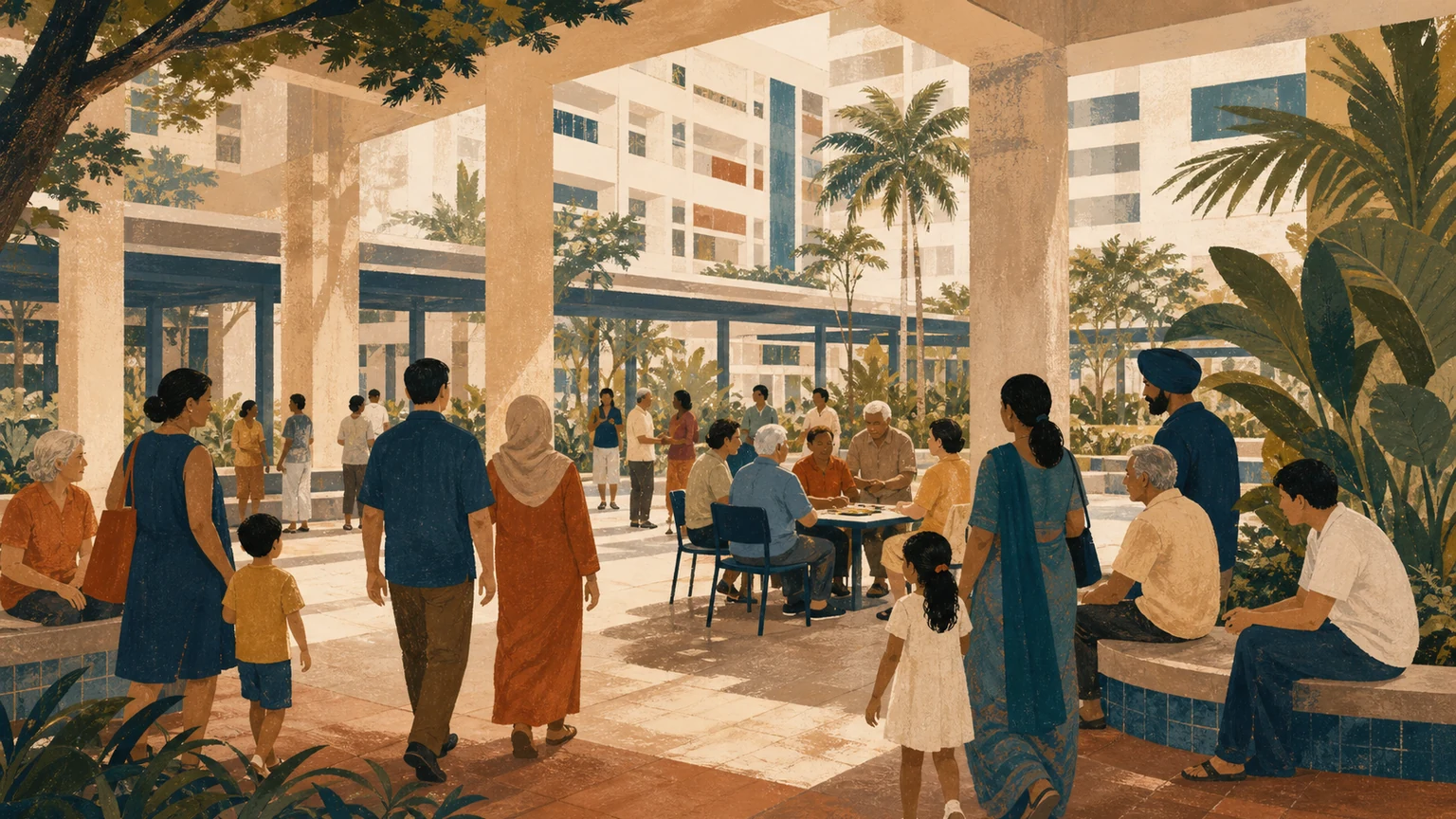
Racial Harmony Day in Singapore treats coexistence not as background scenery but as public work. In a diverse society, harmony is less a finished portrait than a practice repeated in schools, neighborhoods, institutions, and ordinary encounters.
Observed
July 21
Singapore’s Racial Harmony Day shares the date with national, liberation, and seasonal observances.
Public shape
Civic reflection
The observance places social cohesion and racial difference inside the public calendar.
What to notice
Practice, not slogan
Harmony lasts through repeated habits of respect, attention, and shared responsibility.
Calendar company
Guam, Belgium, lamingtons
July 21 also carries Guam Liberation Day, Belgian National Day, and National Lamington Day.
A civic word with daily weight
Harmony can sound effortless when printed on a calendar. Lived among people, it is more exacting: listening across difference, sharing institutions, and refusing to let familiarity become indifference.
Racial Harmony Day gives that work a date in Singapore. The observance makes social cohesion visible as something a society must tend, not something it can simply declare complete.
Difference in the room
A diverse public is not made harmonious by erasing distinctions. The stronger image is a room in which difference remains present while the people inside it keep building common habits.
Schools and civic spaces matter because they are where public ideals meet ordinary contact. A ceremony may frame the lesson, but the durable part happens afterward, in language, friendship, policy, and attention.
The work that continues
The day therefore has the character of maintenance. It asks how shared life is kept open, where strain appears, and which routines help people recognize one another as full participants in the same place.
July 21 does not need harmony to mean unanimity. It asks for the more practical achievement: difference held without domination, and community renewed by use.
More from July 21
Full edition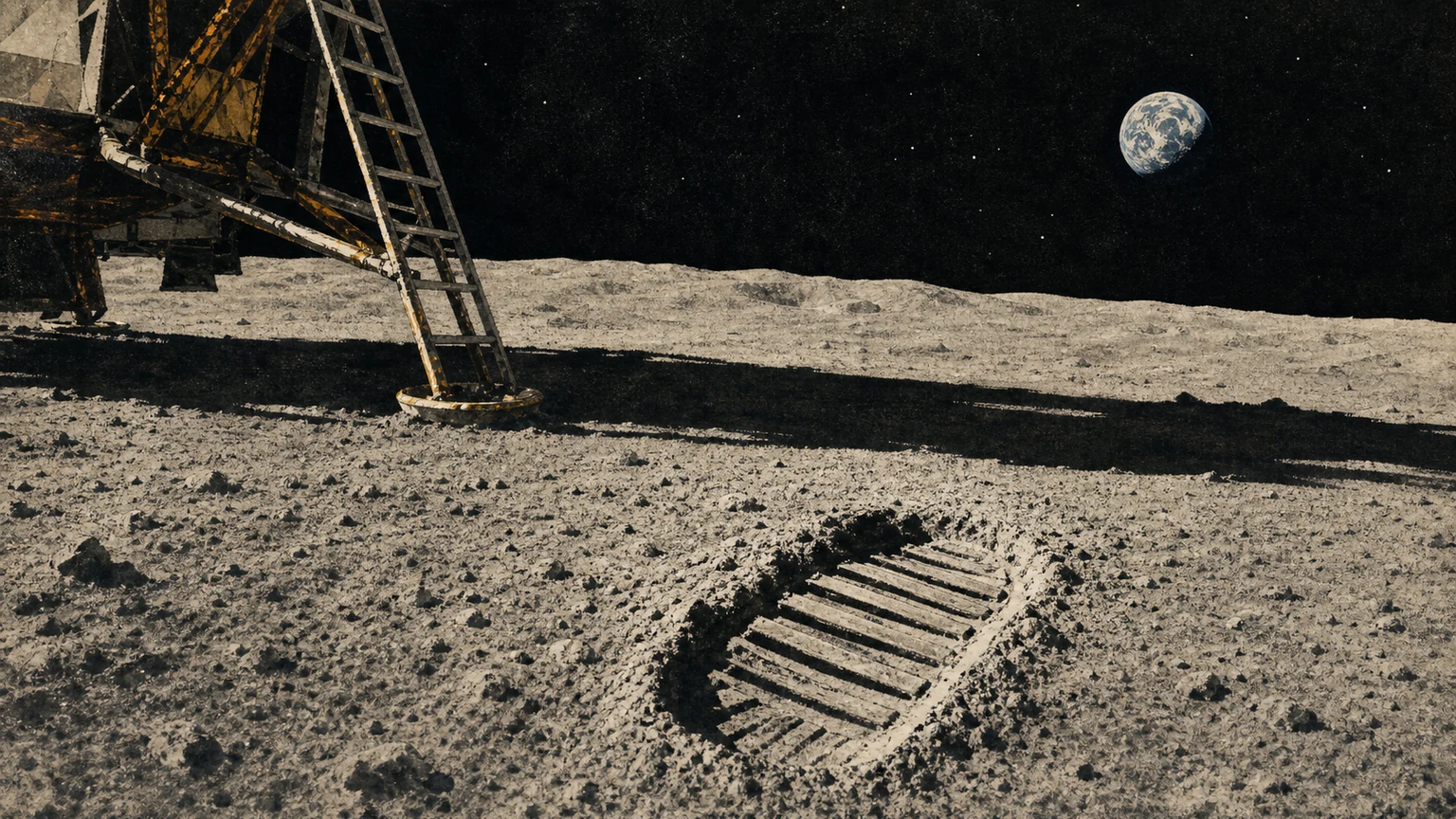
On this day
The first footstep beyond Earth
The archive side of July 21 follows 1969: Apollo program: At 02:56 UTC, astronaut Neil Armstrong becomes the first person to walk on the Moon, followed 19 minutes later by Edwin "Buzz" Aldrin.
Full edition
Everything else on July 21
Return to July 21 for the full mix of observances, history, birthdays, food, and games.
Calendar
Browse July
Move outward from July 21 and follow the month’s changing civic, cultural, scientific, and seasonal record.