Holiday feature · Civic
A day for peoples who were never footnotes
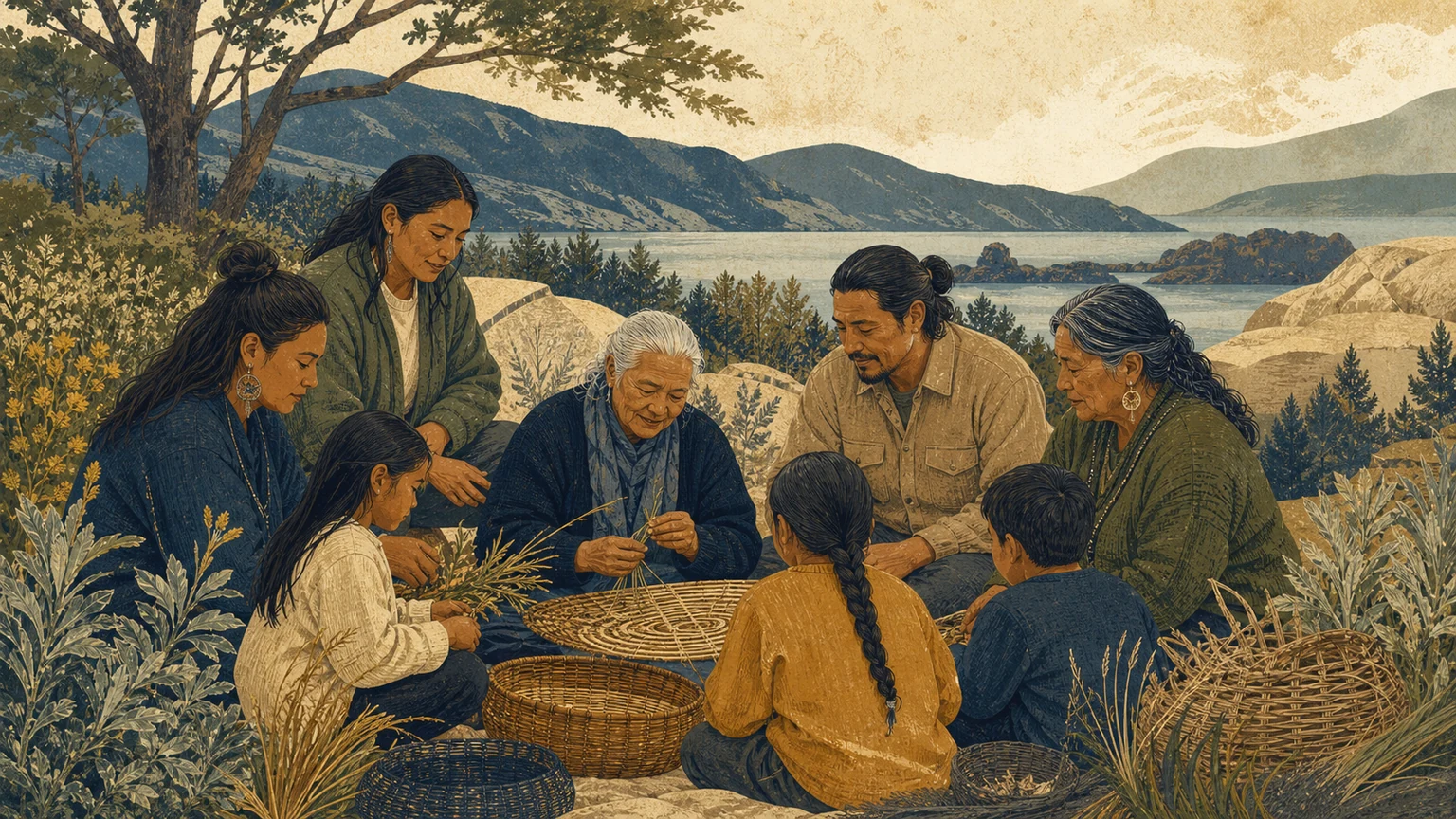
The United Nations observance centers Indigenous peoples as living nations, communities, languages, and knowledge traditions. August 9 asks public institutions to listen before they speak and to recognize that continuity is not the same as survival alone.
Observed
August 9
A United Nations observance shared across regions and communities.
Plural by design
Peoples
The name resists reducing many distinct nations and traditions to a single story.
Living inheritance
Language and knowledge
Continuity depends on daily use, teaching, land, and community authority.
Public task
Listen and uphold
Recognition matters most when institutions make room for Indigenous decisions and voices.
The weight of the plural
The most important word in the observance may be peoples. It keeps hundreds of distinct nations, languages, histories, and political circumstances from being pressed into one ceremonial silhouette.
A calendar date cannot contain that variety. It can, however, refuse the old habit of treating Indigenous life only as the past tense of another country’s history.
Continuity is active work
Languages are spoken, relearned, and taught. Knowledge moves through families and communities. Land carries law, livelihood, memory, and responsibilities that do not fit neatly inside a museum case.
That work is not simply preservation. It is the ordinary labor of making a future without surrendering the authority to define it.
Recognition with consequences
Public observances are easiest when they end at recognition. August 9 asks for more: attention to rights, representation, and the conditions that let communities make decisions on their own terms.
The date is therefore less a commemorative portrait than an open door. The useful question is not how to admire Indigenous cultures from a distance, but how to hear living peoples clearly.
More from August 9
Full edition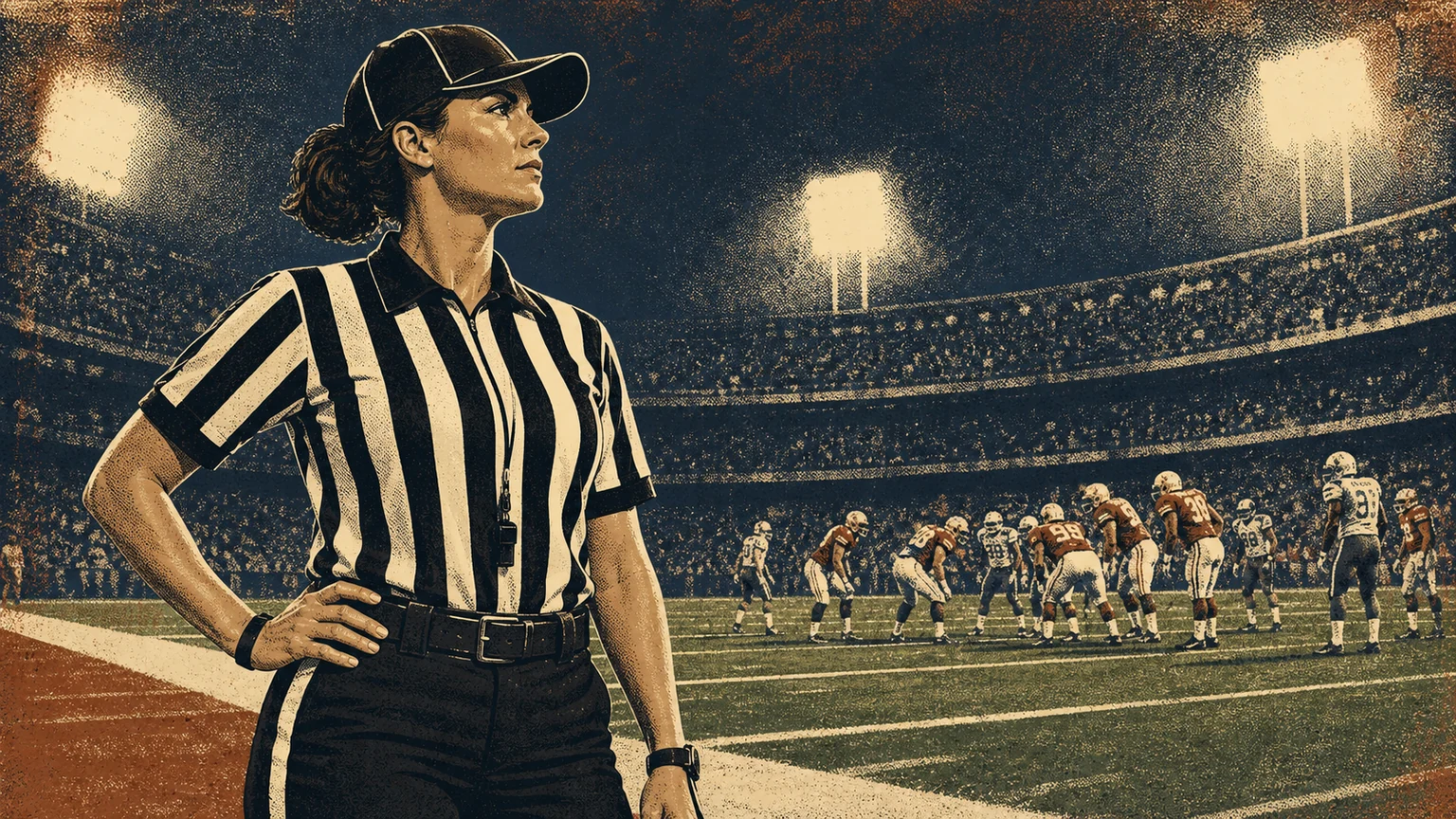
On this day
The official who crossed the sideline
On August 9, 2012, Shannon Eastin became the first woman to officiate an NFL game. The milestone arrived in stripes and on the clock: visible, procedural, and impossible to separate from who had long been permitted to make calls on the field.
Full edition
Everything else on August 9
Open the August 9 edition for Singapore’s National Day, South Africa’s National Women’s Day, birthdays, food, games, and more.
Calendar
Browse August
Move into the middle of August, one daily edition at a time.