Holiday feature · Peace
What the silence after a test contains
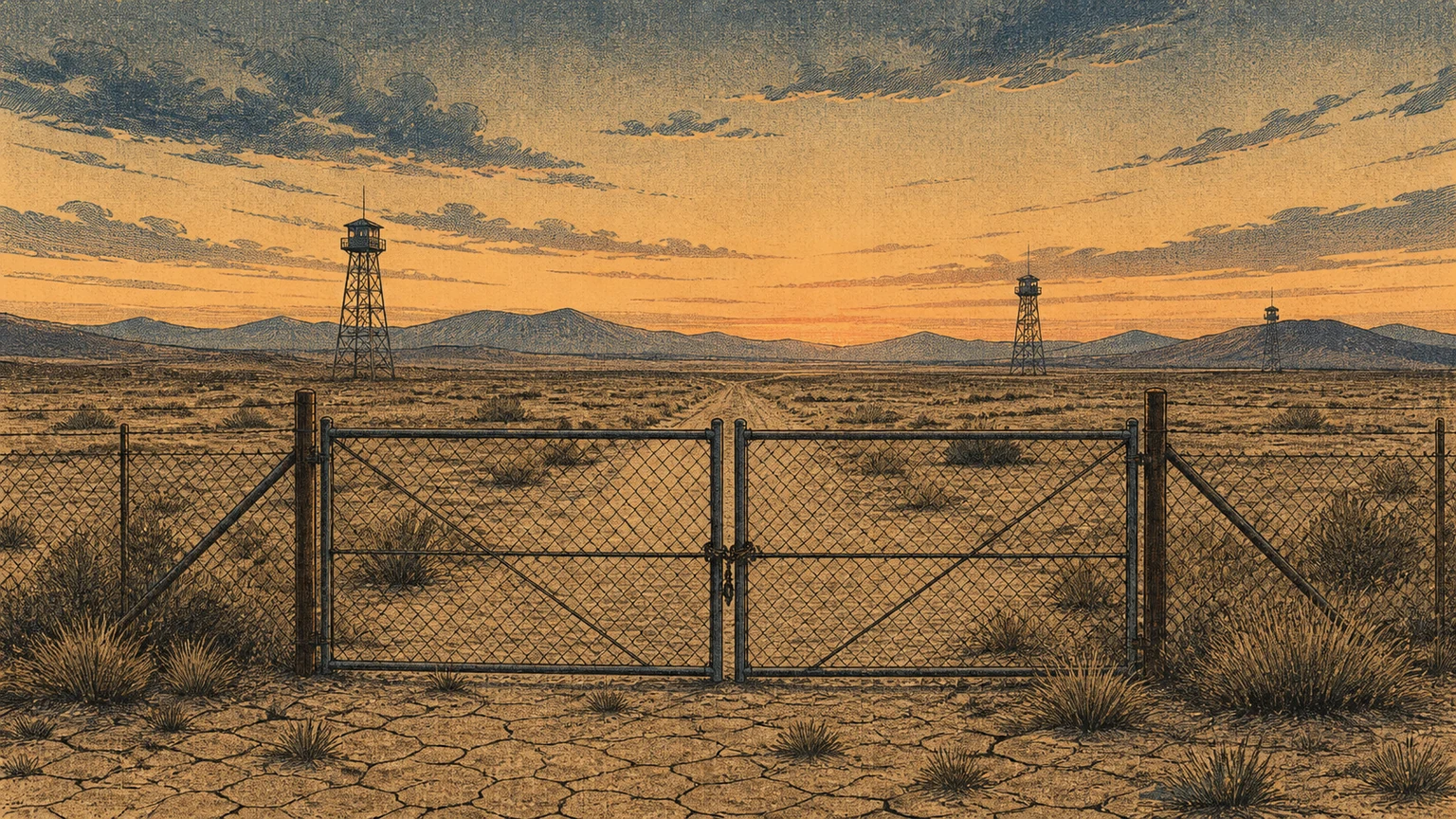
The International Day against Nuclear Tests asks nations to reckon with explosions whose effects do not end when the cloud disperses. It is an observance about restraint, verification, health, and inherited ground.
Observed
August 29
The United Nations established the international day in 2009.
Why this date
Semipalatinsk
Kazakhstan closed the major Soviet nuclear test site on August 29, 1991.
Public evidence
Monitoring
Verification gives treaties and test moratoria a measurable foundation.
Long aftermath
Land and health
Exposure and displacement can continue long after an explosion ends.
A day defined by what must not happen
August 29 marks the 1991 closure of the Semipalatinsk nuclear test site in Kazakhstan. The United Nations chose that anniversary for a day focused on restraint: no flash, no shock wave, no new crater, no fresh exposure carried into air, soil, and water.
Nuclear tests have been presented as technical demonstrations and strategic signals. Their consequences have been borne by workers, military personnel, nearby communities, and Indigenous peoples whose lands were treated as remote enough to absorb the risk.
The long life of a test site
An explosion ends quickly; contamination, illness, displacement, and secrecy do not. The history of testing is therefore written in monitoring stations and medical records as much as in weapons policy.
The observance asks governments to connect arms control with human health. Verification matters because restraint must be more than a promise exchanged between states.
Silence as evidence
A world without nuclear tests is not a world without nuclear danger. It is, however, one in which a particular threshold is held and the machinery for detecting violations remains alert.
August 29 gives that silence public meaning. Nothing happening at a test site can be a measurable achievement — a piece of ground left unshaken, and another day not added to the record.
More from August 29
Full edition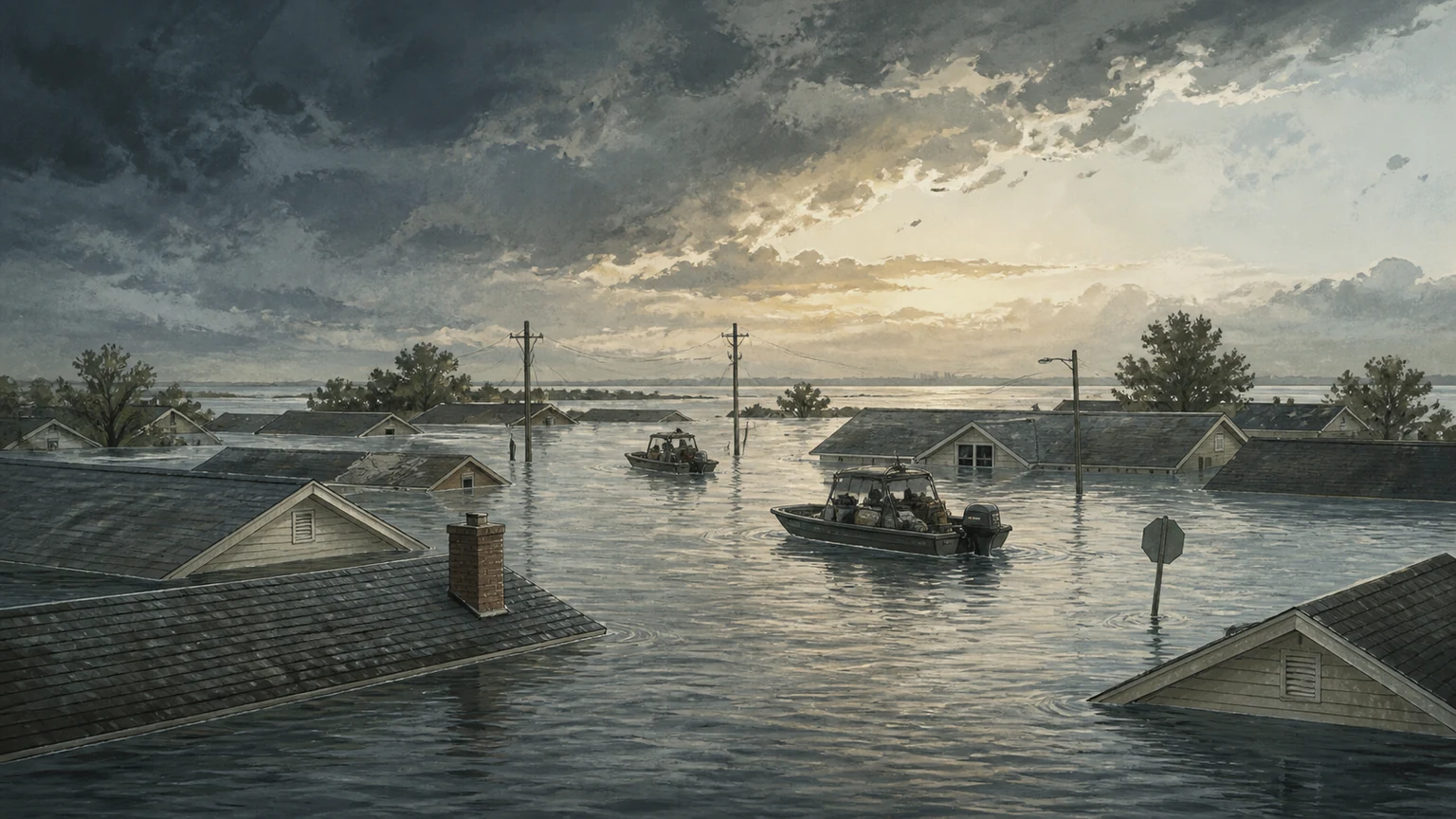
On this day
Katrina reaches the Gulf Coast
Hurricane Katrina made landfall along the Gulf Coast and became a national catastrophe measured in lives, displacement, failed systems, and a changed landscape.
Full edition
Everything else on August 29
The full August 29 edition carries the day’s other memorials, people, food, and diversions.
Calendar
Browse August
Close the month with a record of restraint, remembrance, and the consequences that continue after headlines fade.