Holiday feature · Remembrance
A night restored to memory
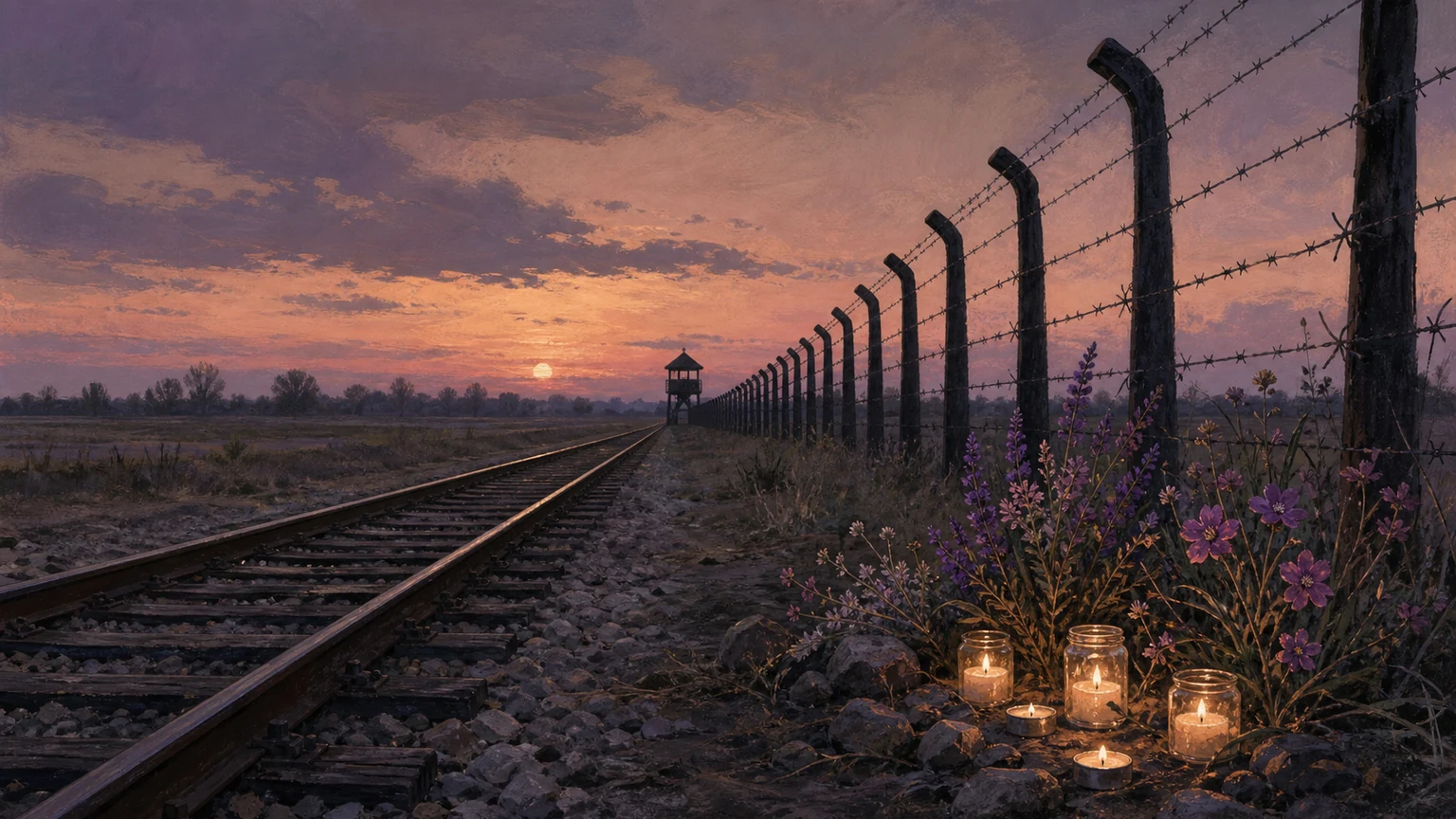
Roma Holocaust Memorial Day centers the night of August 2–3, 1944, when the remaining Roma and Sinti prisoners in the family camp at Auschwitz-Birkenau were murdered. The observance restores people too often pushed to the margins of Holocaust memory.
Observed
August 2
The date is recognized by the Council of Europe and European Parliament.
Historical center
Auschwitz-Birkenau
The observance recalls the liquidation of the camp section where Roma and Sinti families were imprisoned.
Community
Roma and Sinti
Their persecution and murder belong within the central history of the Holocaust.
Public duty
Recognition
Remembrance resists both historical erasure and present-day prejudice.
A date against erasure
August 2 places Roma and Sinti victims at the center of Holocaust remembrance. It recalls the night in 1944 when the remaining prisoners in the so-called family camp at Auschwitz-Birkenau were murdered.
The date holds a place and the people imprisoned there together. Their murder gives the observance its weight and its enduring demand for recognition.
Memory after neglect
The Nazi persecution of Roma and Sinti was long treated as a footnote in public accounts of the Holocaust. Memorial days cannot repair that neglect by themselves, but they can change what institutions teach, name, and gather to remember.
Recognition matters in the present tense. It makes space for survivor testimony, family histories, and communities whose losses were compounded by decades of silence.
The work the date carries
Commemoration is not only a backward glance. It asks whether prejudice against Roma communities is still being tolerated, repeated, or made invisible.
August 2 therefore holds mourning beside vigilance. The candles belong to the dead; the attention belongs to the living.
More from August 2
Full edition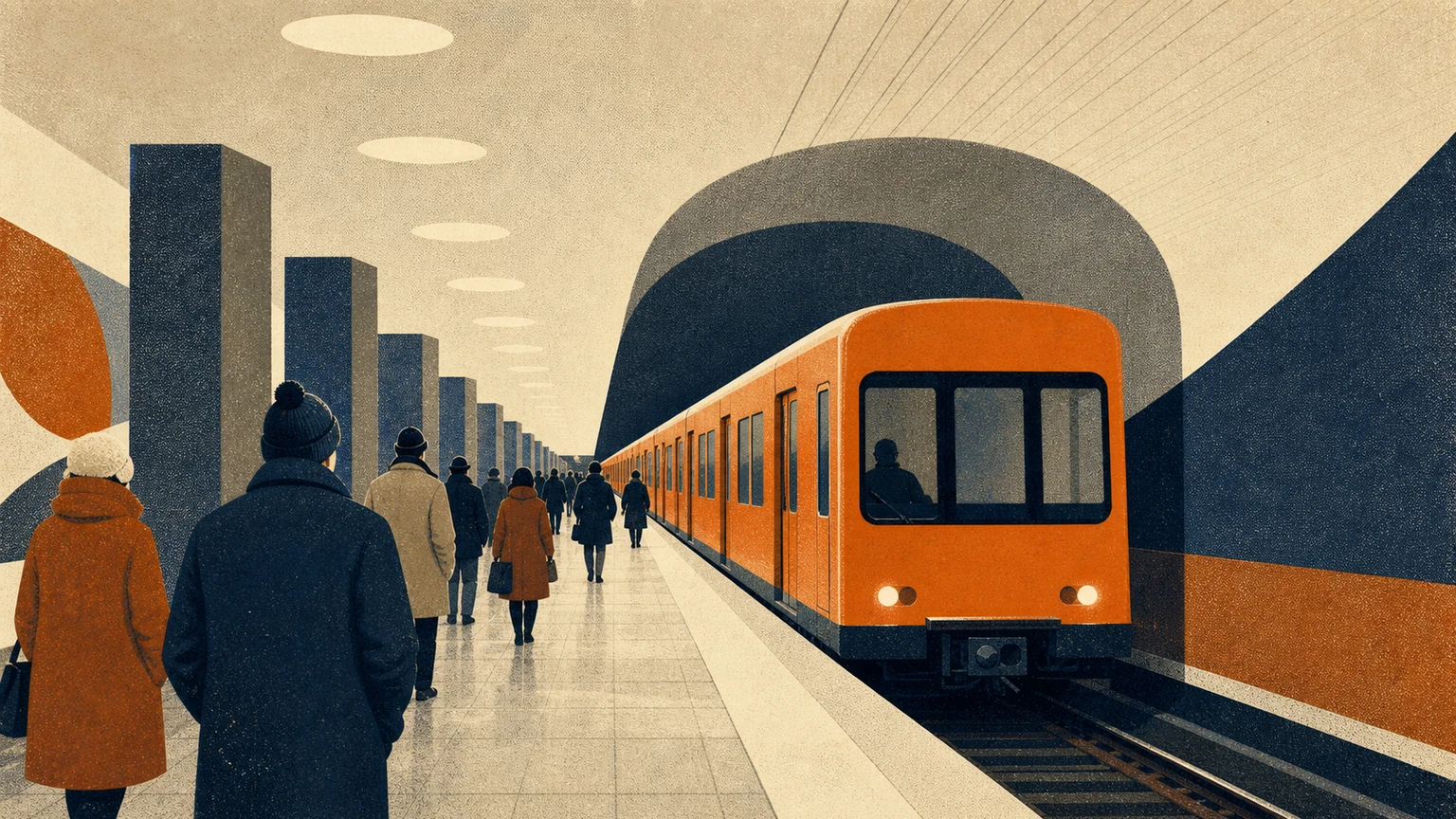
On this day
The city opens a new level
The August 2 archive follows the opening of Finland’s first rapid-transit system in Helsinki.
Full edition
Everything else on August 2
Return for cinema, friendship, remembrance, birthdays, and the rest of the Sunday Gazette.
Calendar
Browse August
Begin the week where remembrance, public transit, and the late-summer calendar meet.