Holiday feature · Remembrance
The legal break, and the freedom delayed
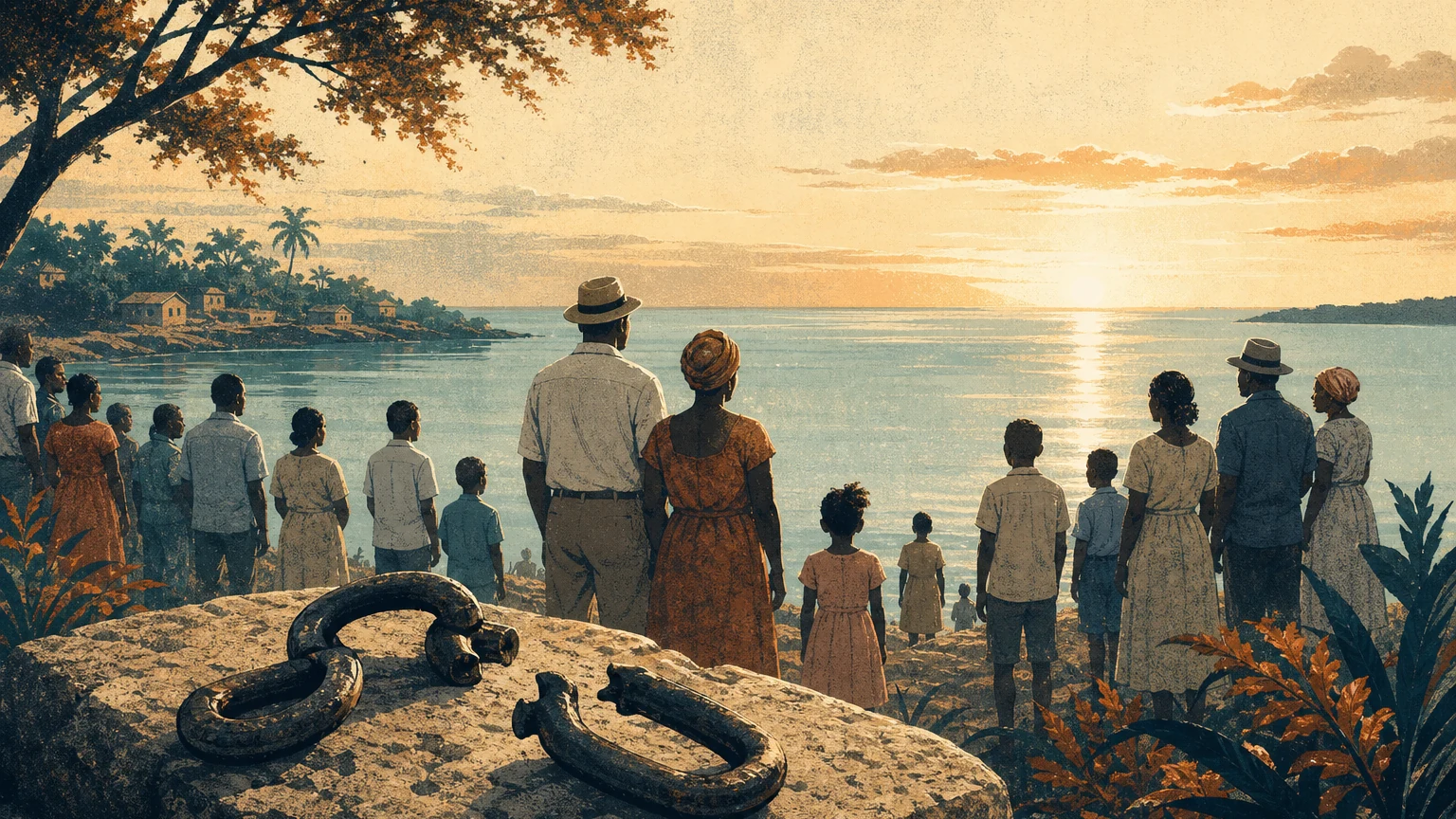
On August 1, 1834, the Slavery Abolition Act 1833 took effect across the British Empire. Legal abolition began, but a coercive apprenticeship system kept most formerly enslaved people over age six tied to estates until full emancipation in 1838.
Observed
August 1
The public holiday is marked in Barbados, Bermuda, Guyana, Jamaica, Saint Vincent and the Grenadines, and Trinidad and Tobago.
Legal marker
August 1, 1834
The Slavery Abolition Act 1833 took effect across the British Empire.
Freedom delayed
Compulsory apprenticeship
Most formerly enslaved people over age six remained tied to estates as unpaid apprentices.
Full emancipation
1838
The apprenticeship system ended early in 1838, four years after the act took effect.
A date written into law
On August 1, 1834, the Slavery Abolition Act 1833 took effect across the British Empire. The law marked a formal break with chattel slavery and placed abolition on the calendar.
Emancipation Day is observed across multiple parts of the former empire, including Caribbean nations and territories whose public memory carries the consequences of slavery with particular force.
The apprenticeship that followed
The law did not deliver full freedom on the day it took effect. Most formerly enslaved people over age six were made unpaid apprentices, required to continue working for former enslavers and tied to the same estates.
That coercive system lasted until 1838. The four-year gap belongs inside the anniversary: abolition was enacted in 1834, while full emancipation was delayed.
Many places, a shared threshold
Barbados, Bermuda, Guyana, Jamaica, Saint Vincent and the Grenadines, and Trinidad and Tobago share the public holiday on August 1. Each place brings its own history to the date.
A shared anniversary does not create one uniform story. It gives communities a common legal marker from which to remember slavery, apprenticeship, resistance, and the continuing substance of freedom.
More from August 1
Full edition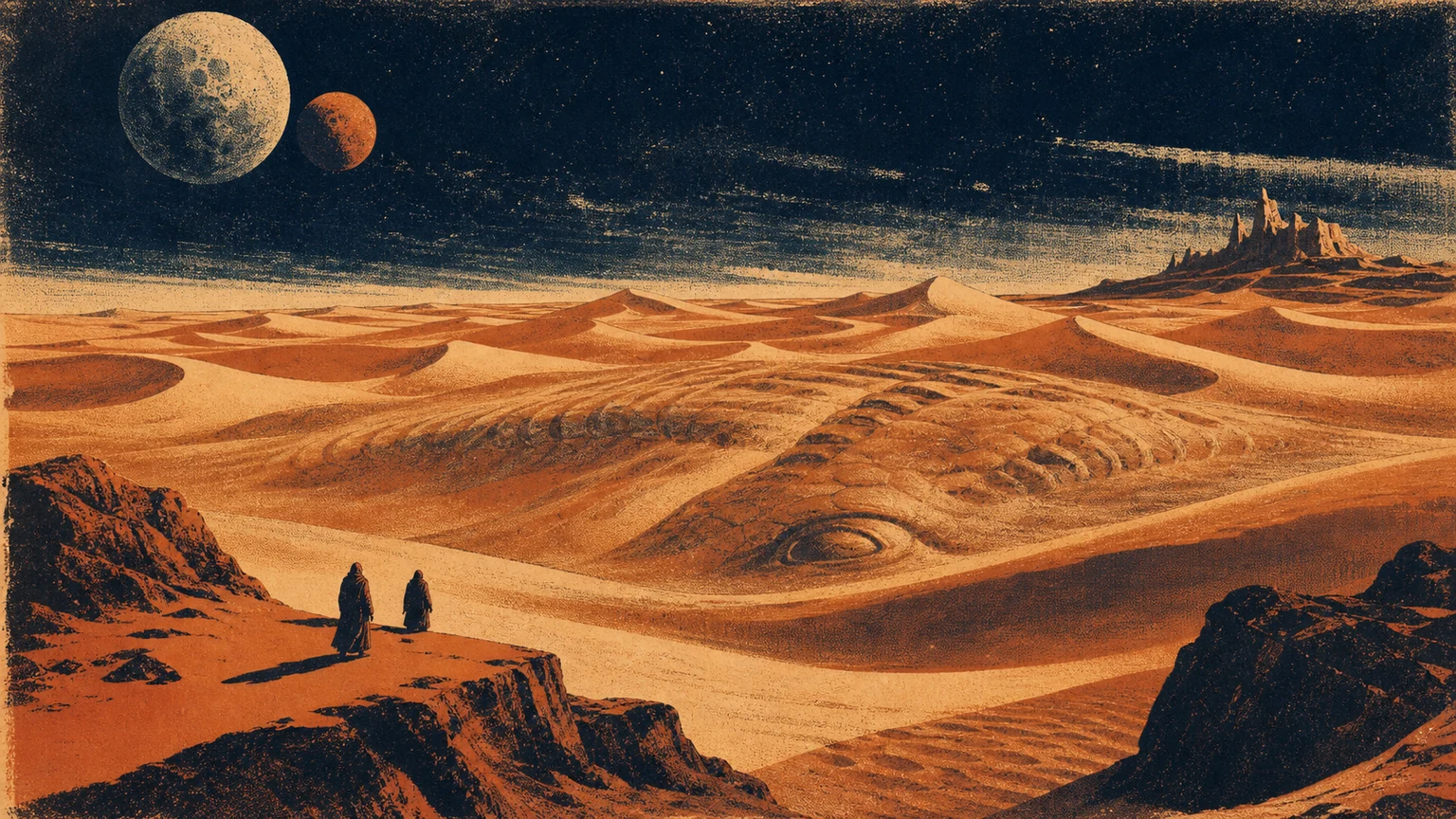
On this day
The desert planet enters print
The August 1 archive turns to the first publication of Frank Herbert’s Dune.
Full edition
Everything else on August 1
Begin August with emancipation memory, archaeology, national observances, birthdays, and the day’s games.
Calendar
Browse August
Enter August through emancipation memory, democratic change, and the month ahead.